
After leaving Bosnia and Herzegovina more than impressed last weekend, we got a glimpse into the biggest Derby this beautiful country has to offer. The Sarajevo Derby between FK Željezničar and FK Sarajevo. Through photo and text of a local photographer Hana Savić.
“There are matches that are played for points. And then there are matches that people wait months for. The Eternal Derby has been part of the city’s life for decades, shaped not only by achievements on the pitch, but also by the traditions, passed down from one generation to the next.
It All Started in 1954
The first official meeting between Sarajevo and Željezničar took place on August 12, 1954, in the Yugoslav Cup. The match was played at Grbavica in front of around 5,000 spectators, with Sarajevo winning 5-2.
From that moment on, the rivalry grew alongside the city.
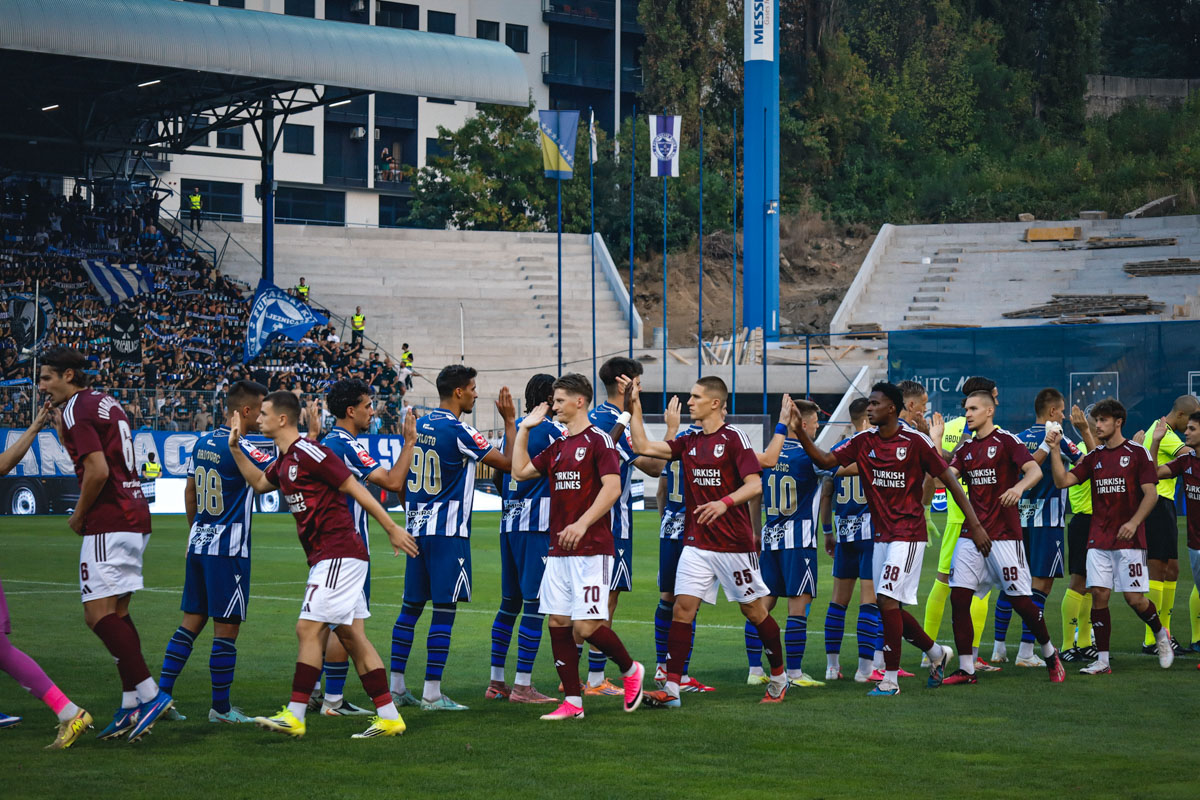
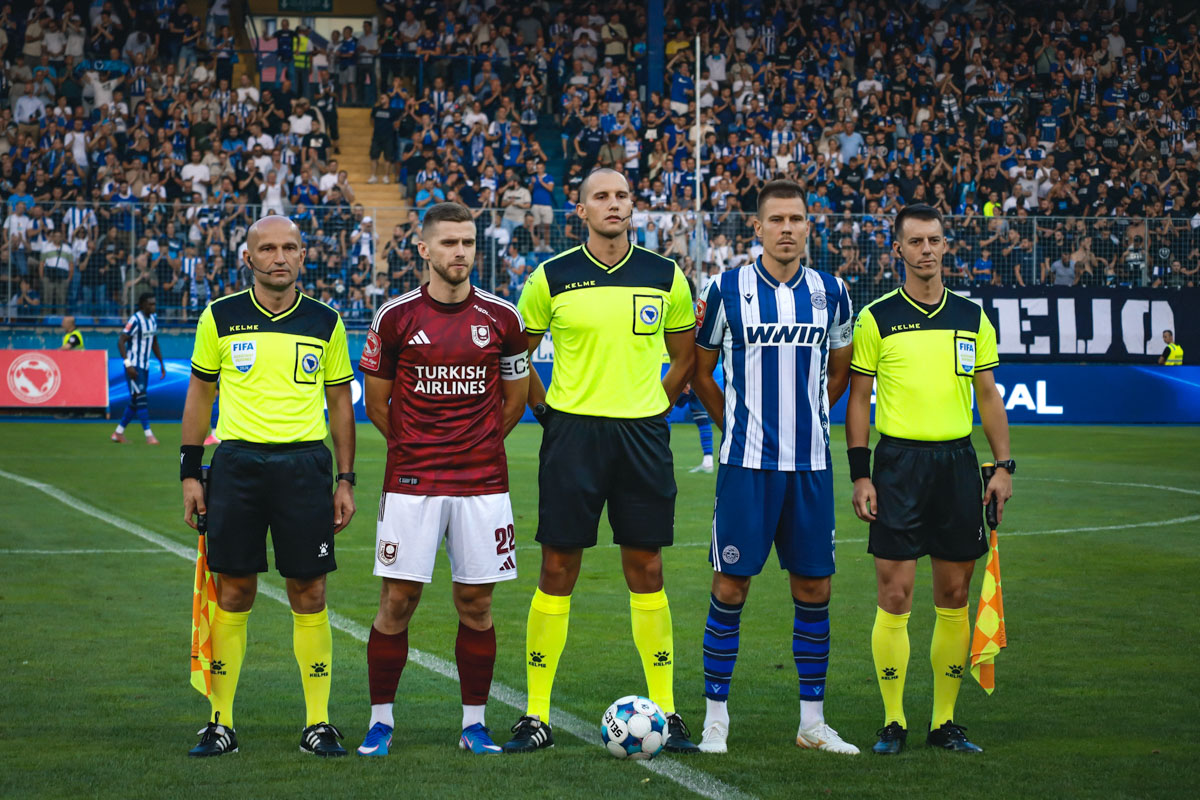
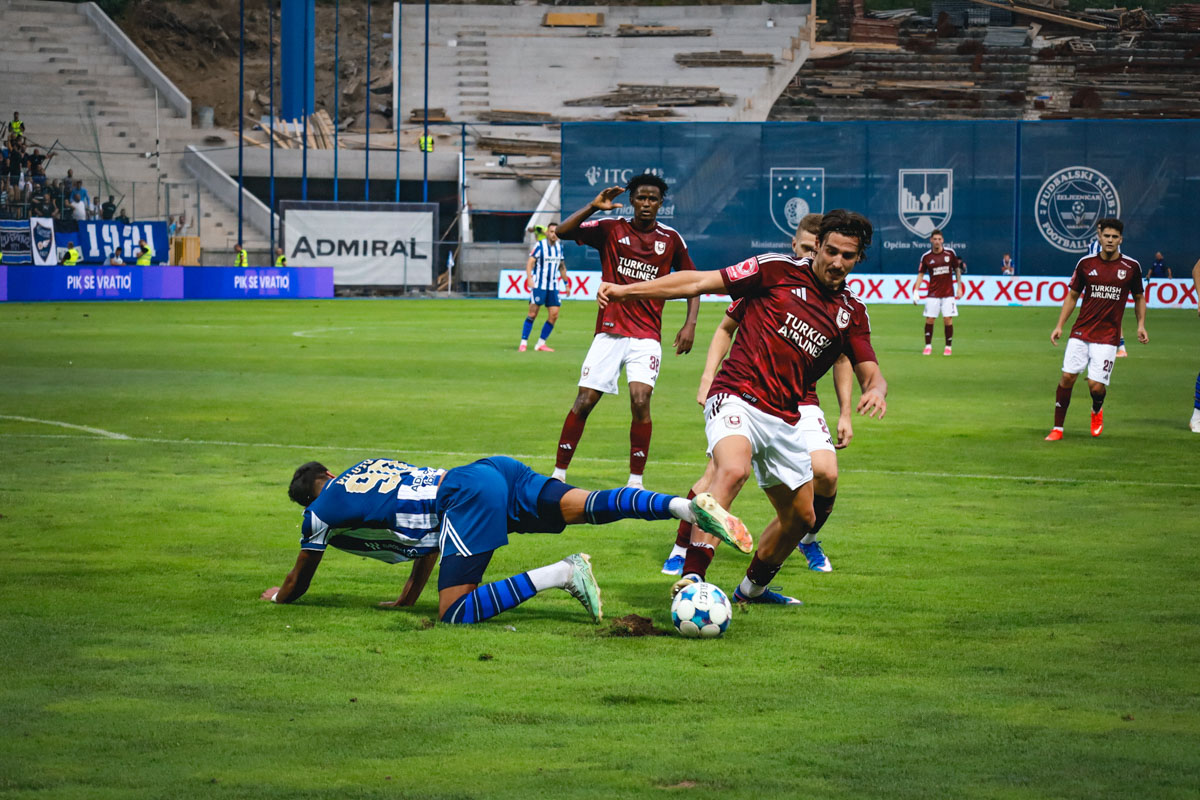
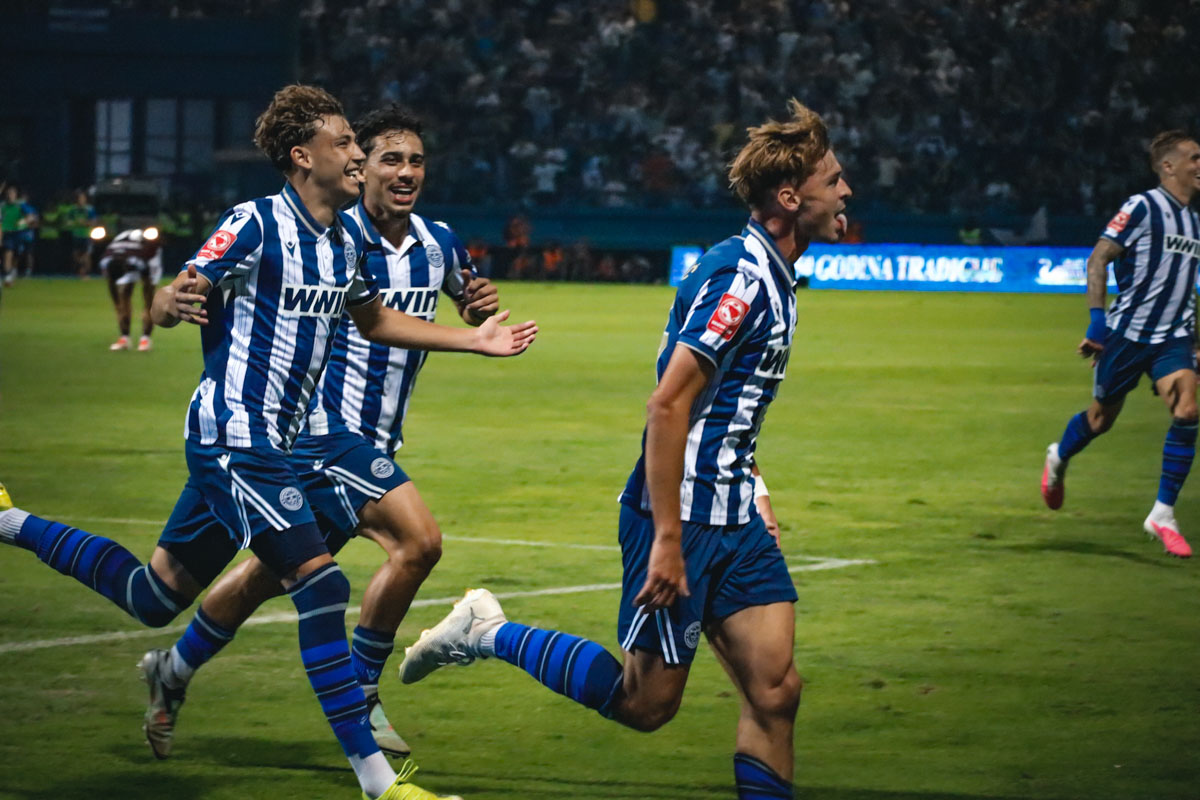
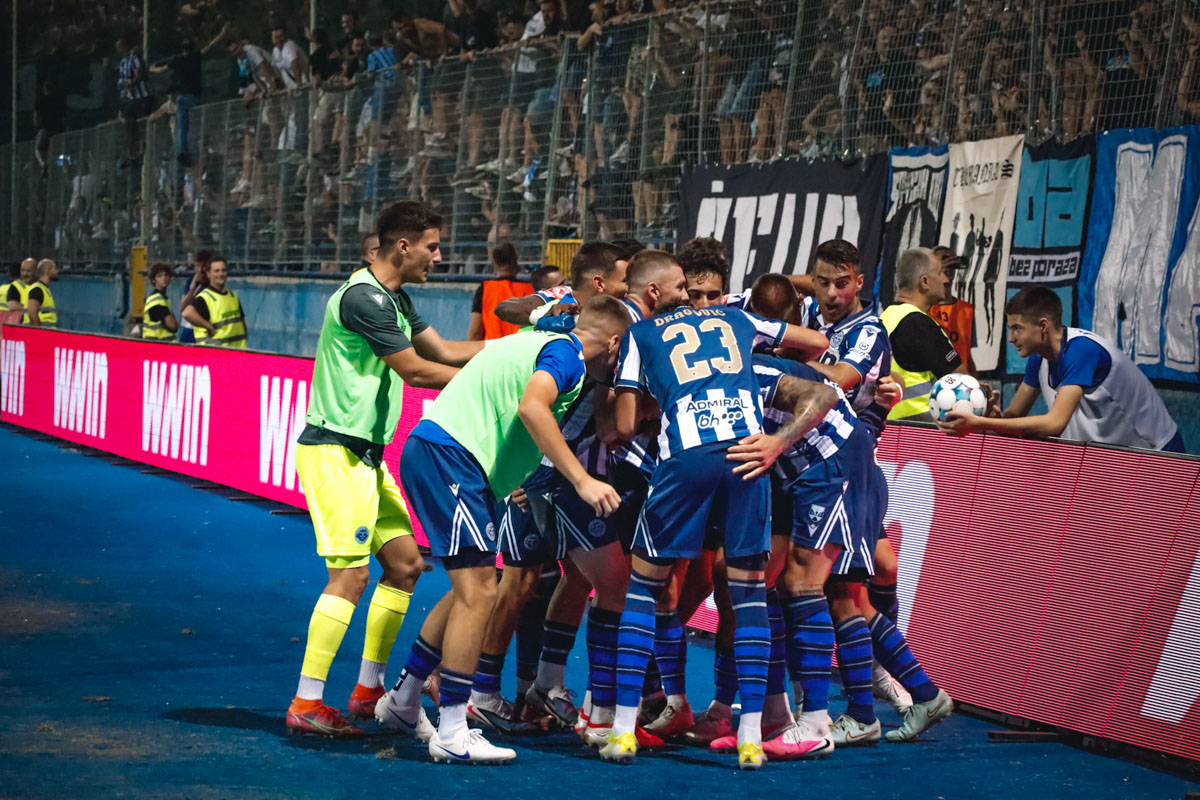
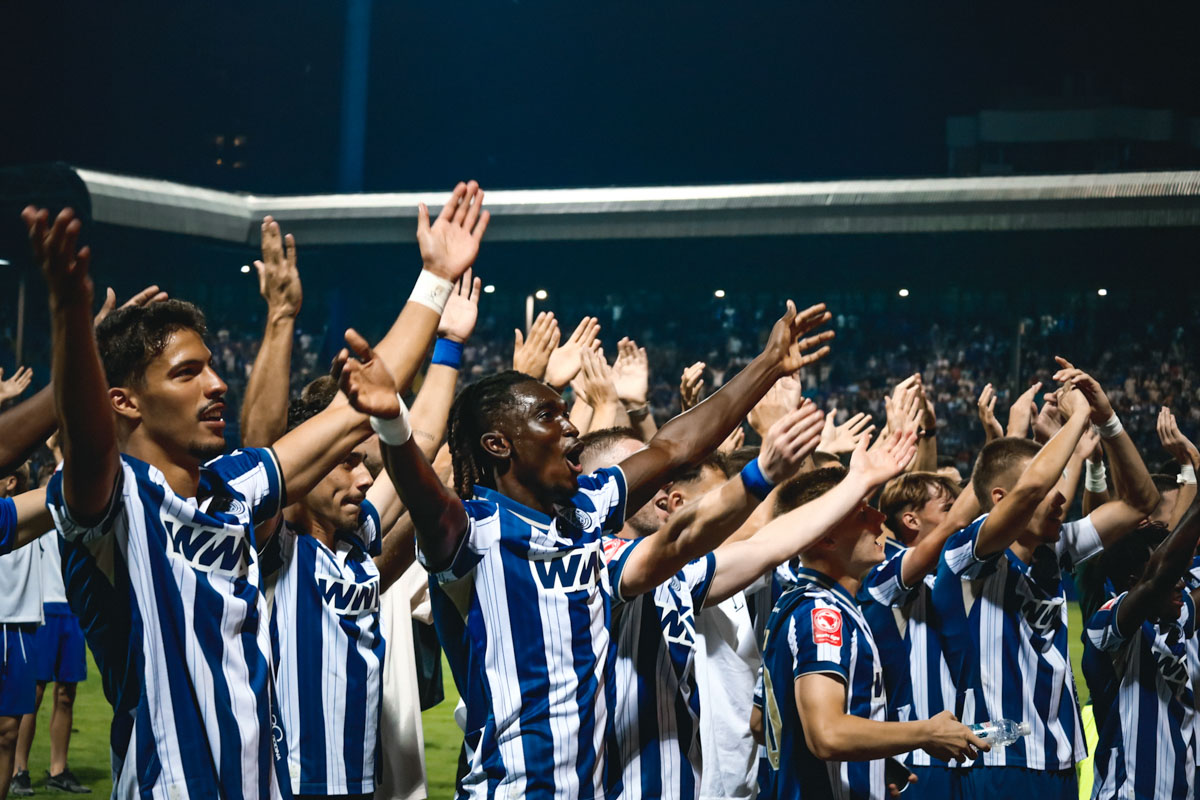
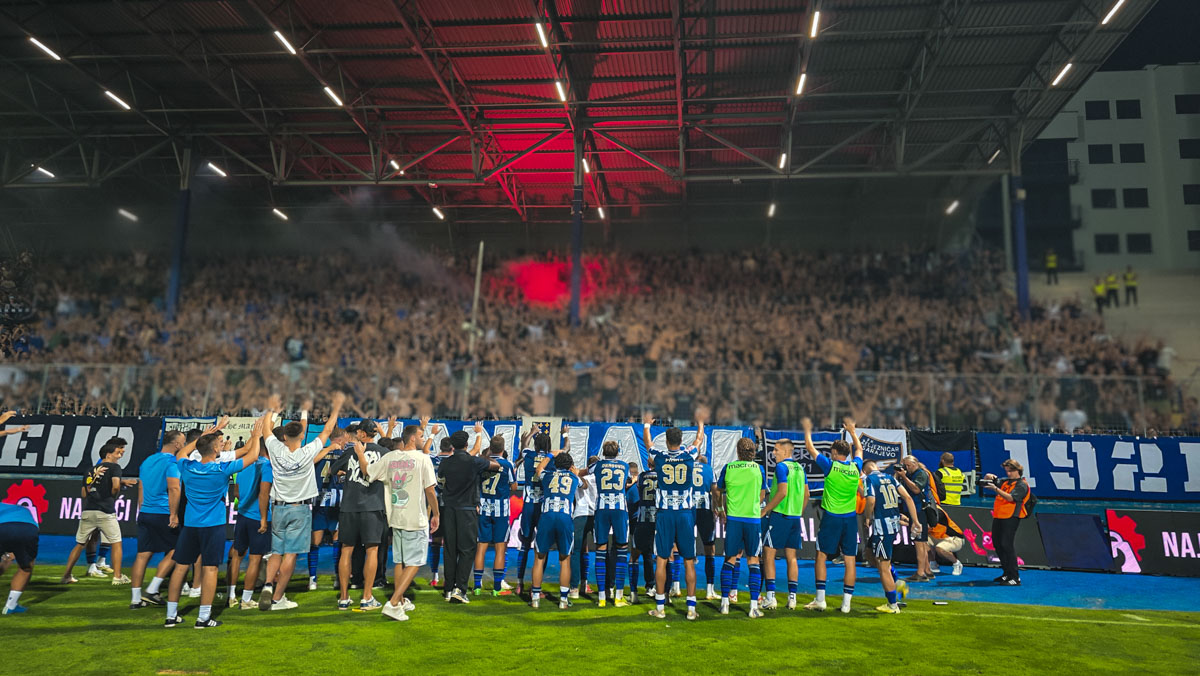
Over the years, the derby has changed in context, stadiums, generations of players and the way it is experienced. But one thing has remained the same: whenever Sarajevo and Željezničar meet, an ordinary football day in the city becomes something different.
People who are friends, colleagues, neighbours and simply part of the same circle throughout the year suddenly have a reason to tease one another. Messages are exchanged, old matches are brought up, predictions are made, and both sides already know what they will say to each other once the final whistle blows.
A win is celebrated, a loss is remembered, and the next derby eventually resets everything. That is part of the charm of the rivalry.
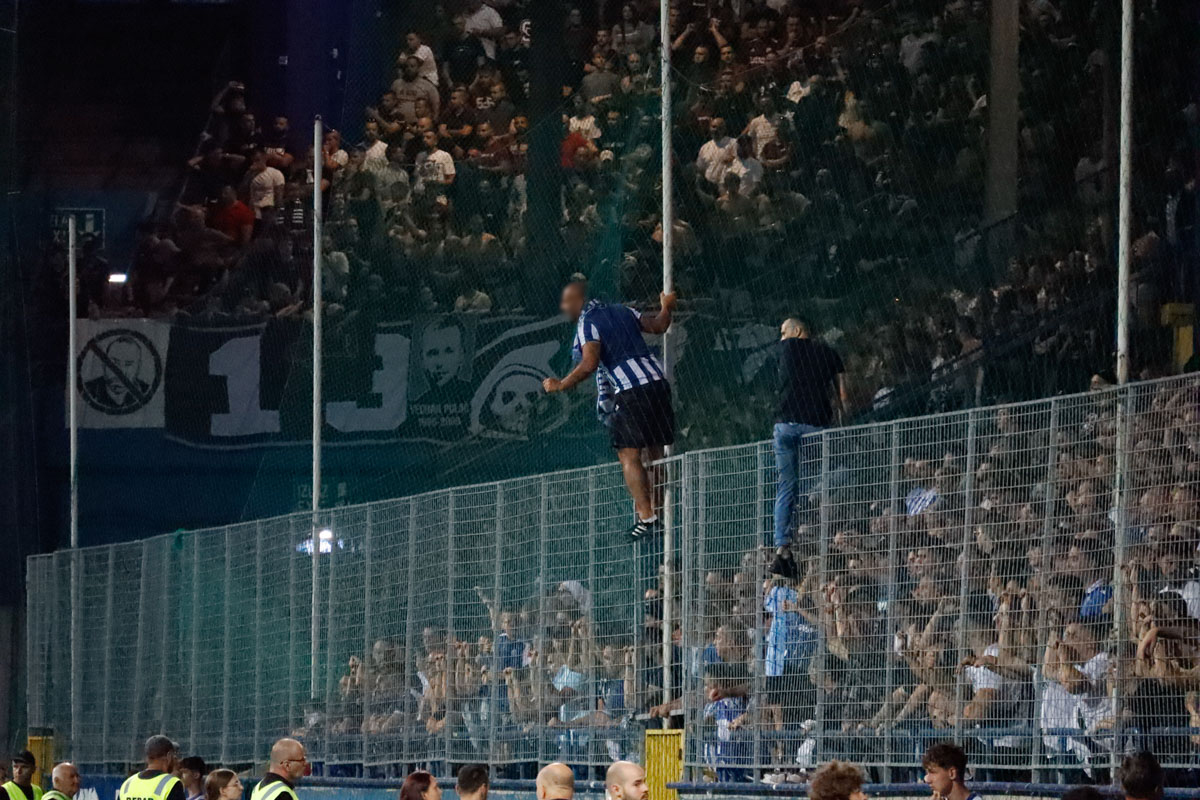
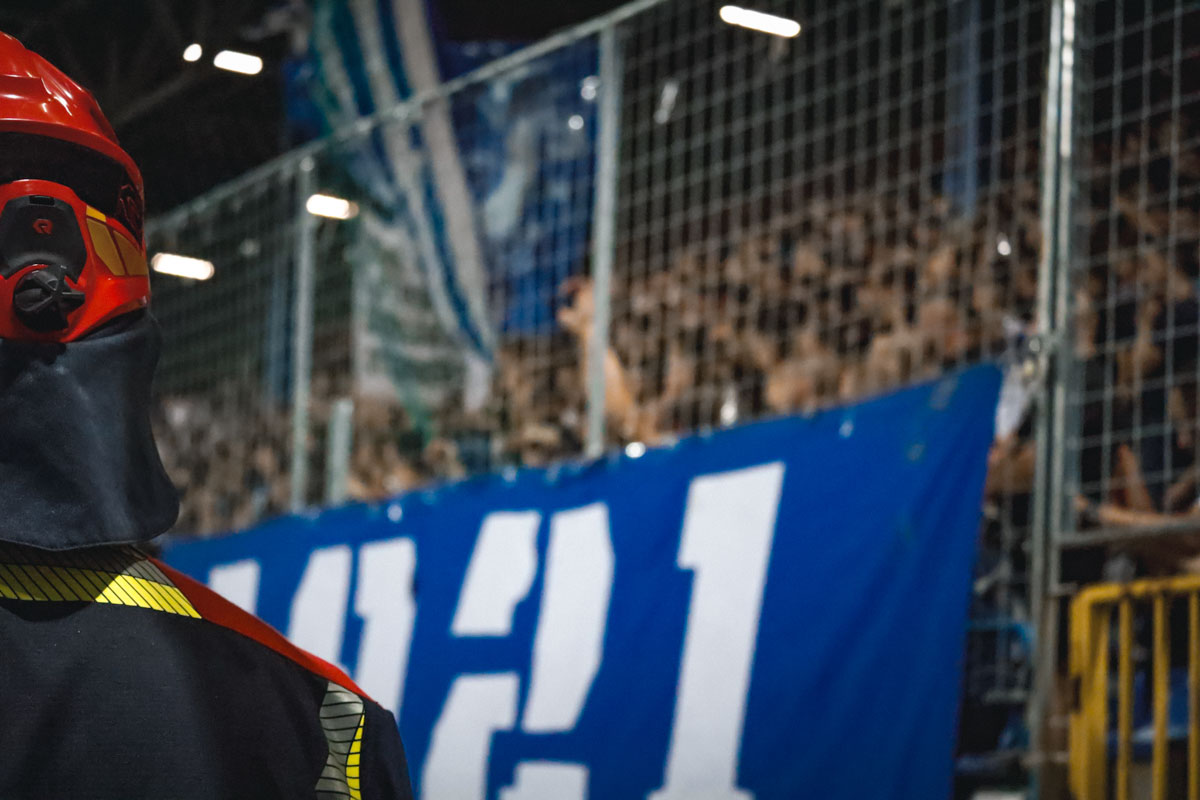
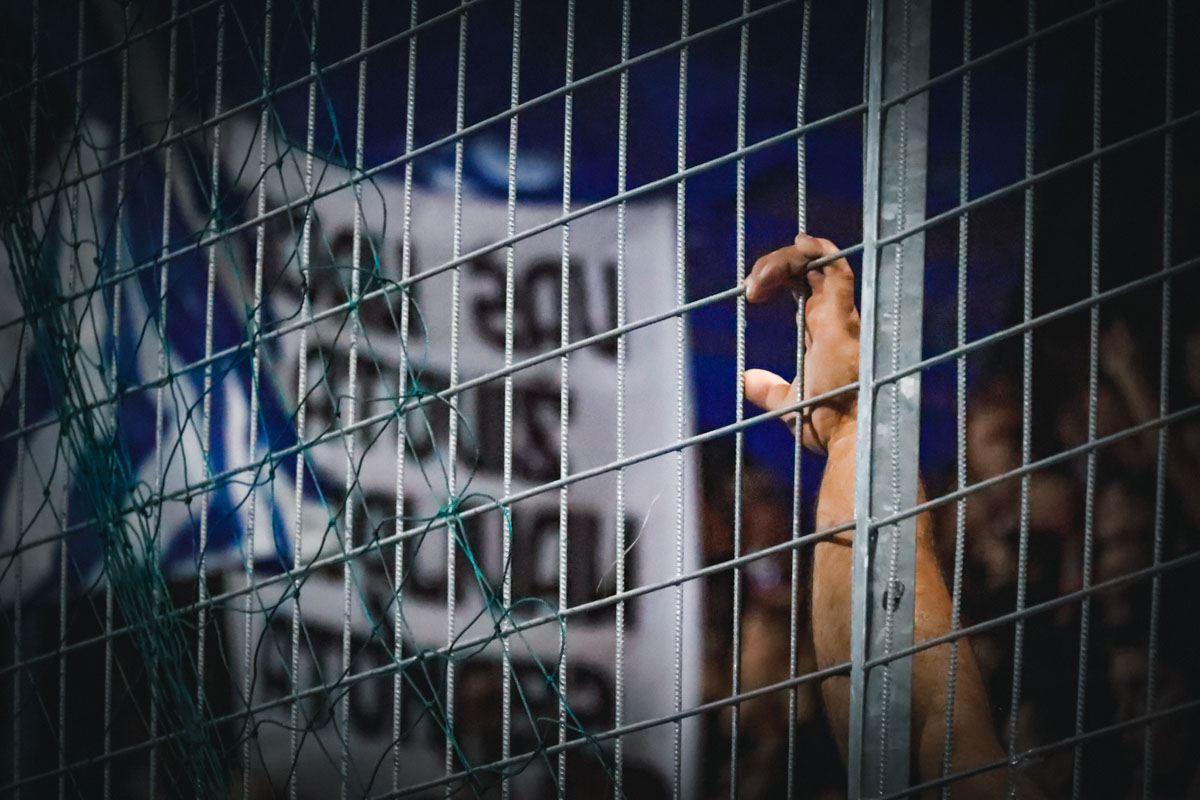
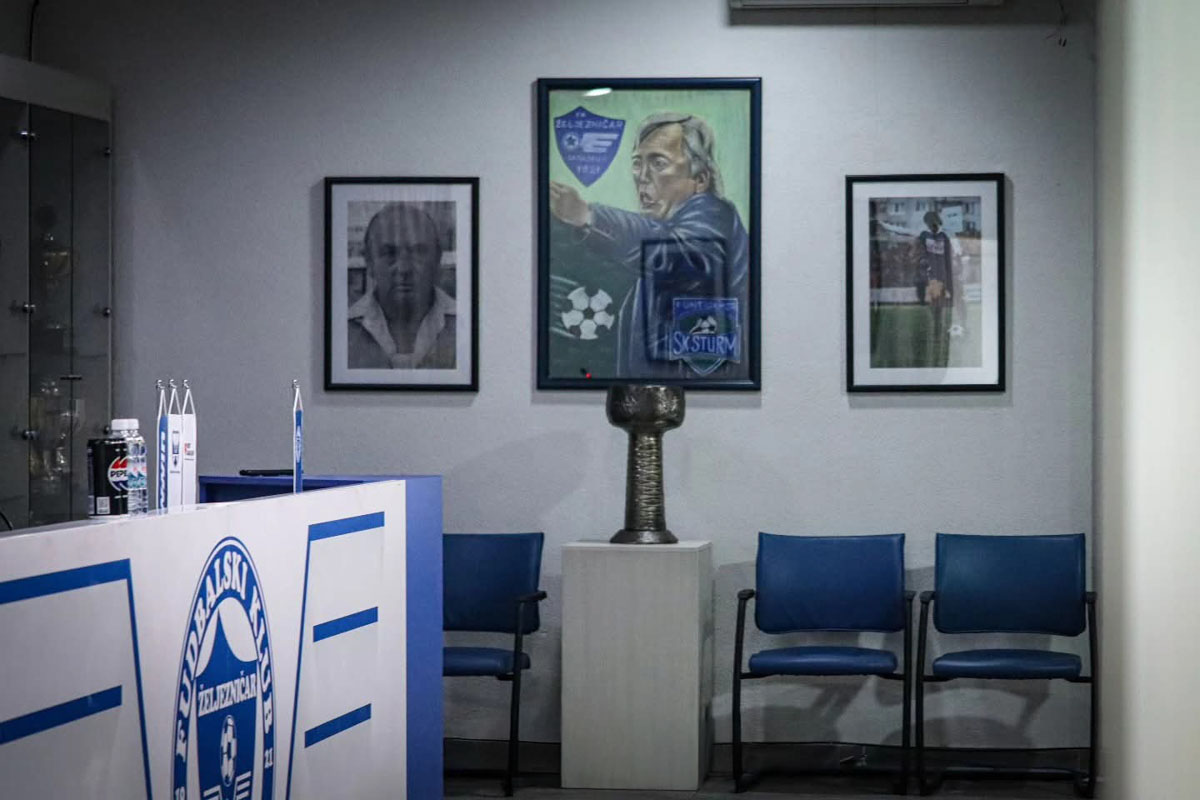
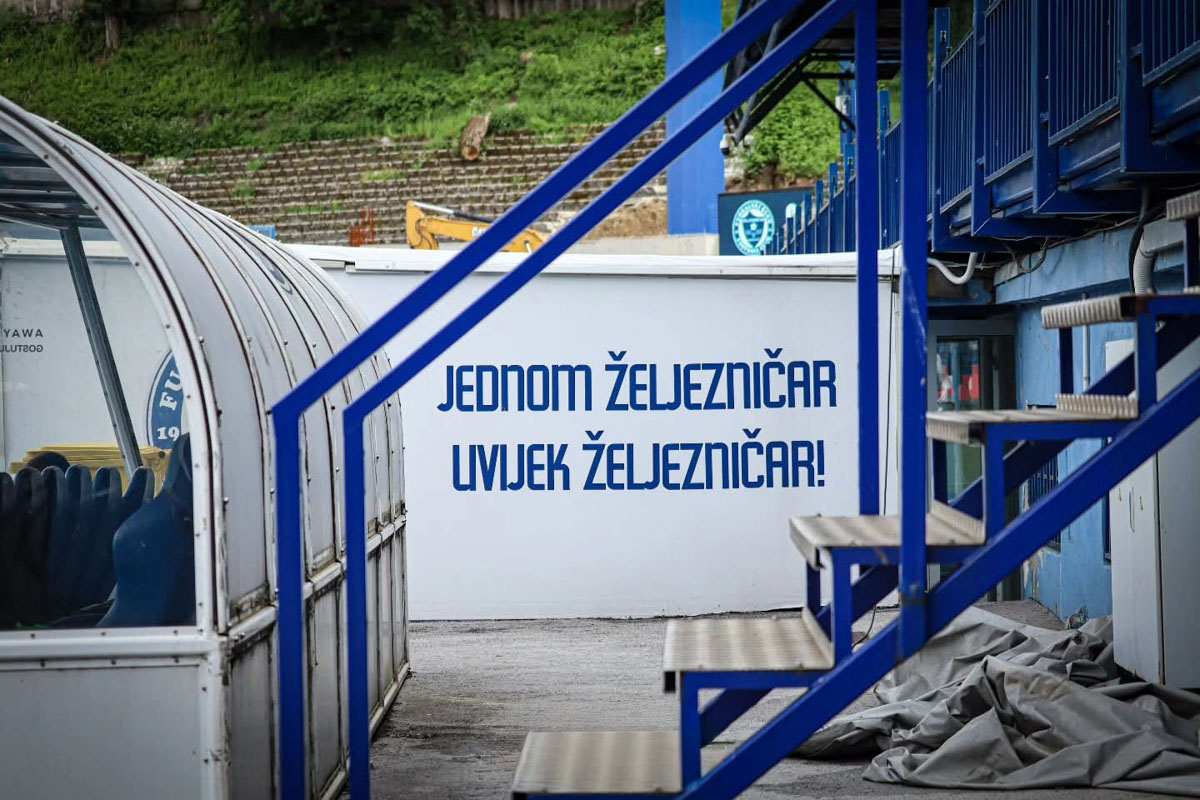
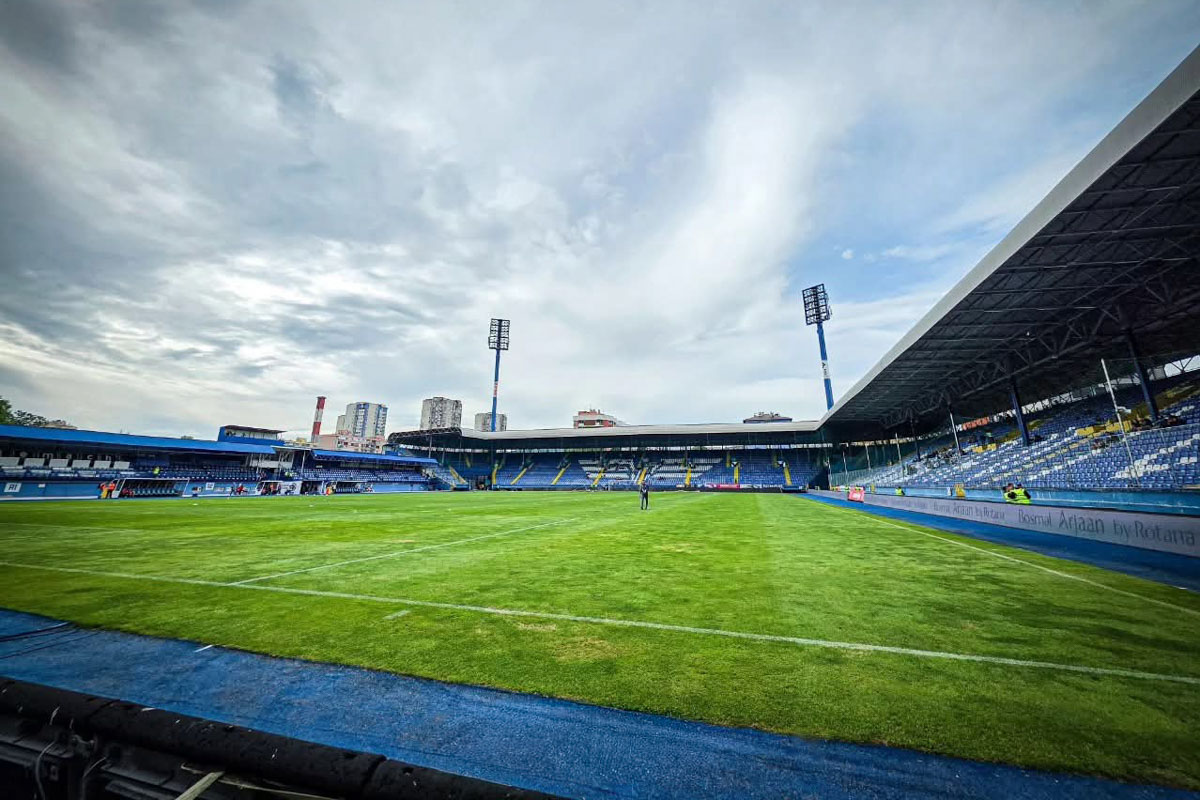
People talk about it before the match, during it and for days afterwards. They remember the goals, the missed chances, the choreographies and the photographs. The jokes continue, old memories return, and before long, the waiting for the next derby begins.
Perhaps that is why the derby cannot be reduced to statistics alone.
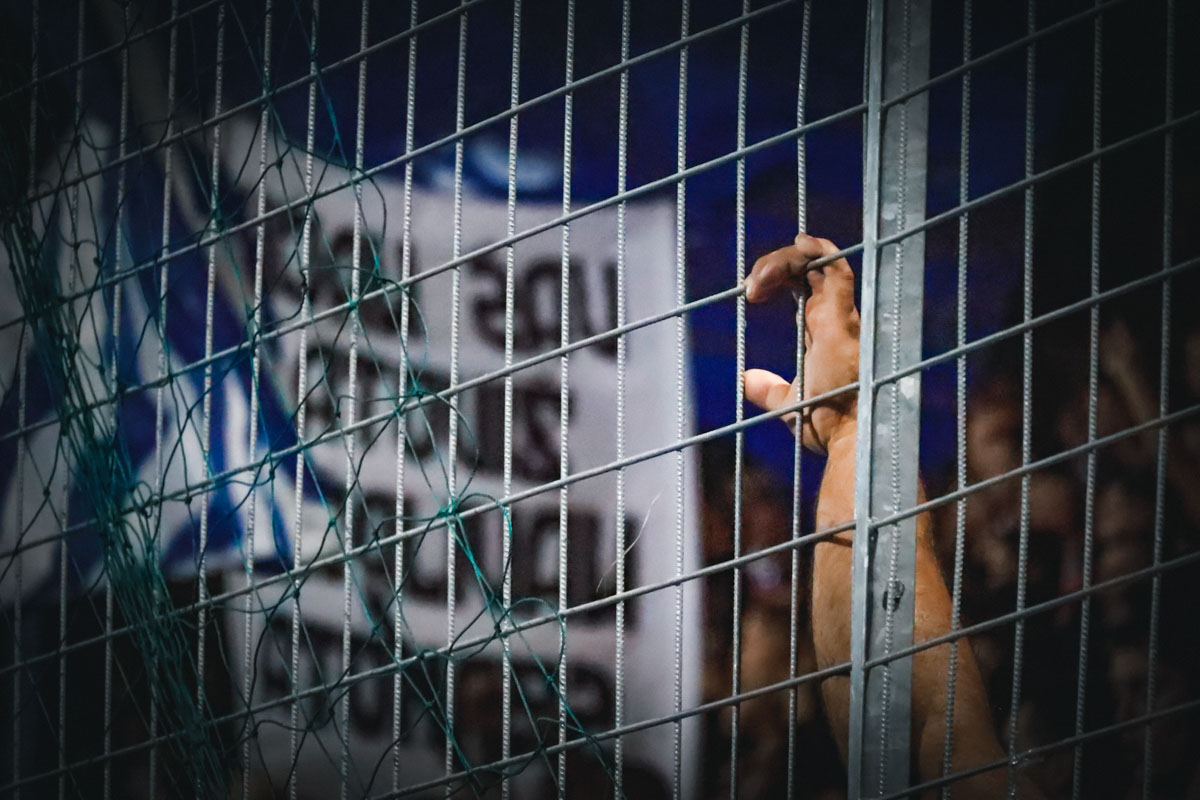
Supporters spend weeks preparing choreographies that are revealed only when the moment arrives. Huge flags, banners, messages, paper displays, smoke, flares and other visual elements have become a recognisable part of the derby.
They are not simply decorations.
A choreography is a way for the stands to tell their own story.
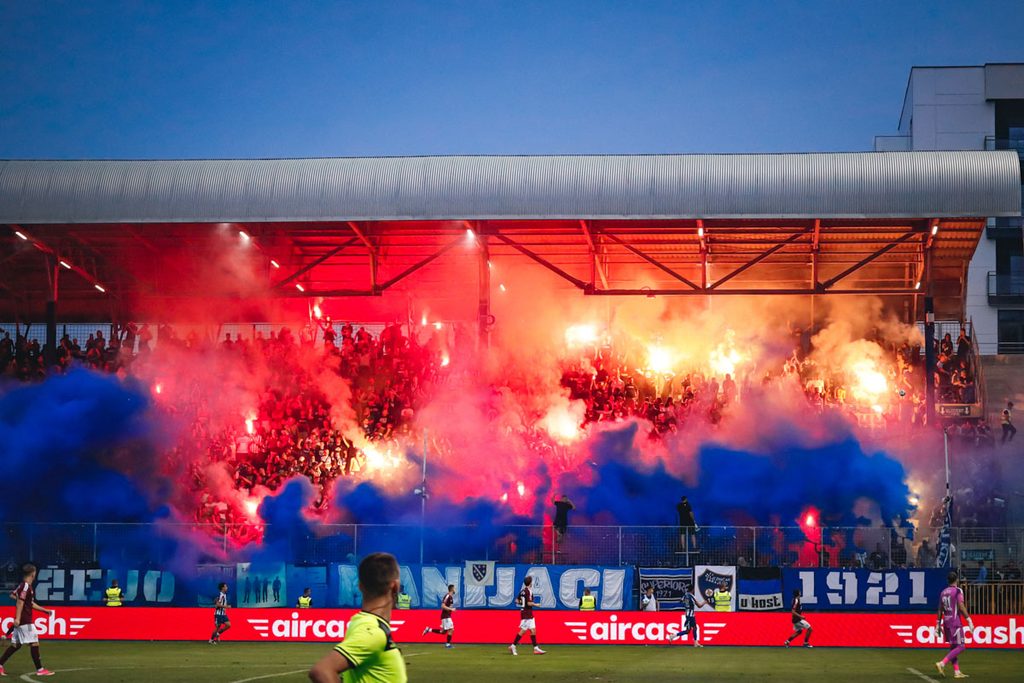
Every detail has its place, and the moment an entire stand rises, reveals a prepared message or fills with pyrotechnics creates a scene that is difficult to explain to someone who has never experienced it in person.
This is where photography takes on a special role. A single frame can bring together a player on the pitch, thousands of people in the stands, smoke drifting through the stadium and the glow of flares in the background. Everything happens at once, and often lasts only a few seconds.
This time, my view of the Sarajevo Derby came from the pitch: somewhere between the game, the stands and all those small moments that may never appear on the scoreboard, but remain captured in memory.”