
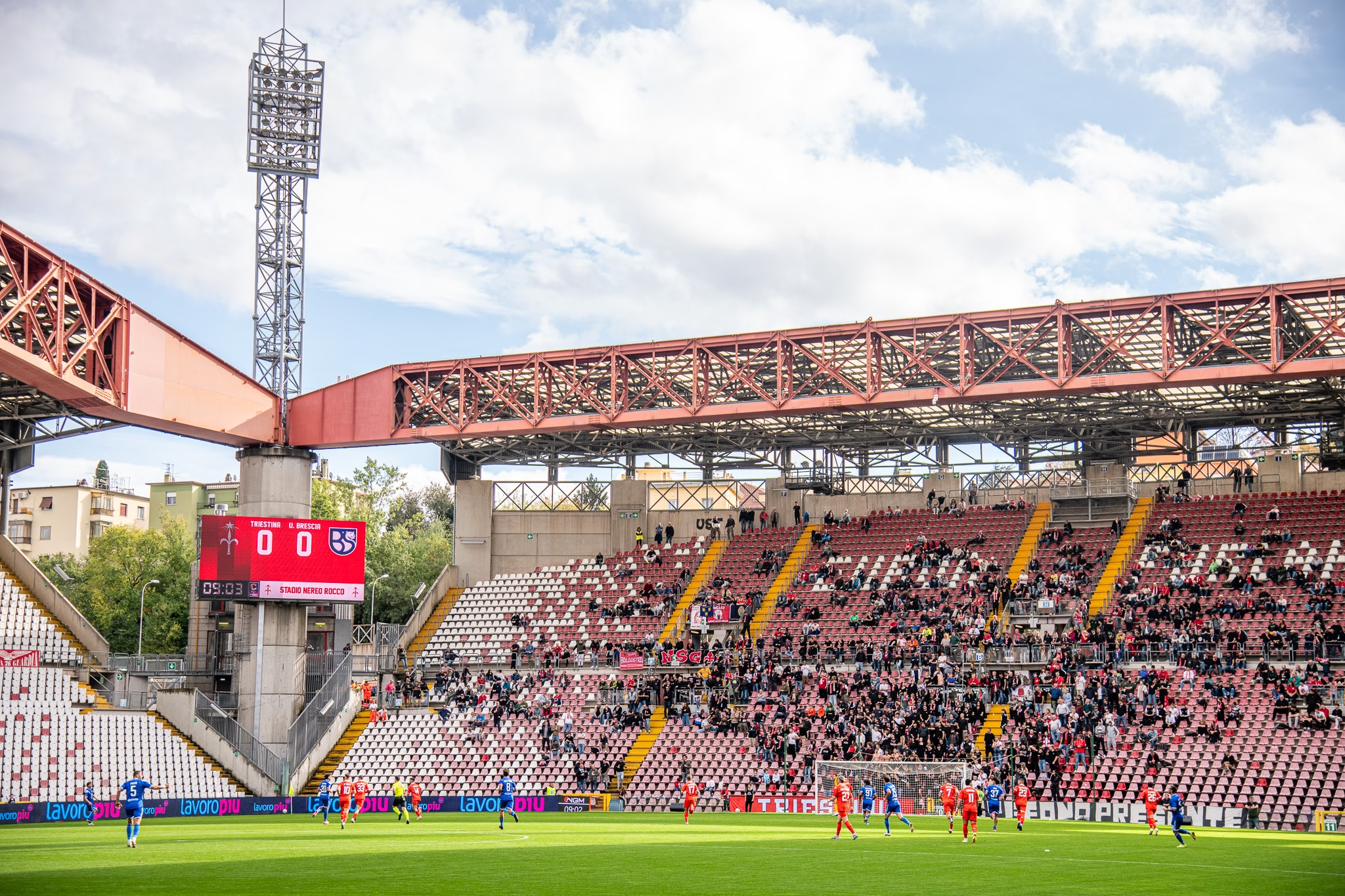
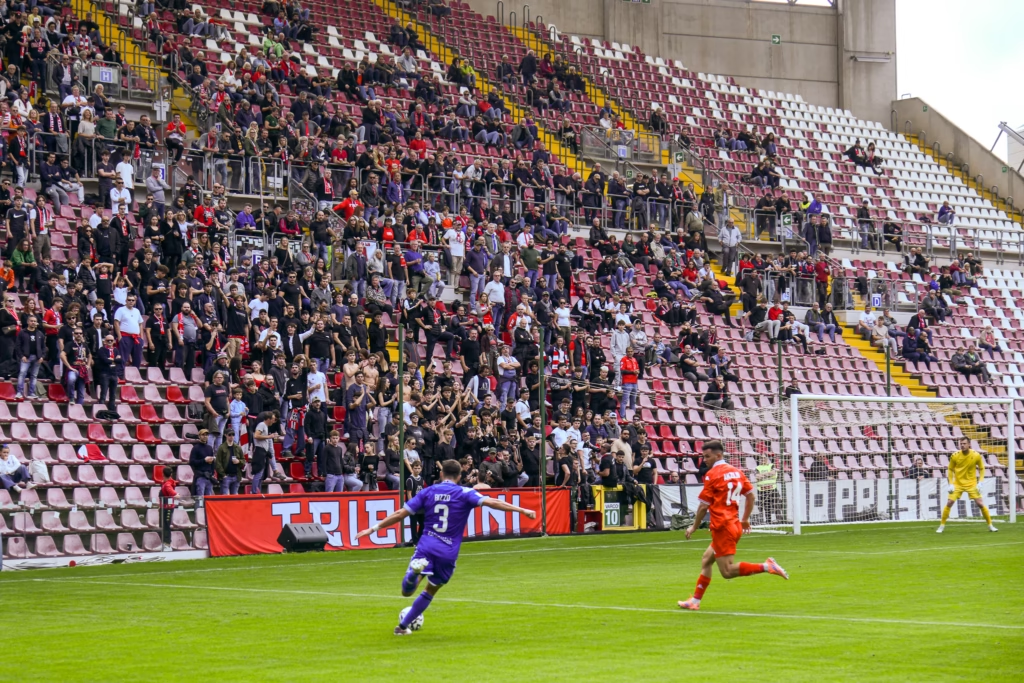
Triestina and Brescia both carry a hint of nostalgia – two historically significant clubs that once operated at the higher echelons of Italian football, and now strive to emerge from the shadow of their past. They met at the Stadio Nereo Rocco, Trieste, despite being in vastly different circumstances.
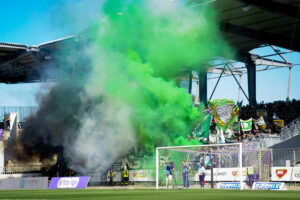
It was always going to be compelling, especially given that ultras culture remains strong in both cities, even though in Trieste it is currently less visible in the stands. Footage of clashes between the two supporter groups had already emerged online before the match.
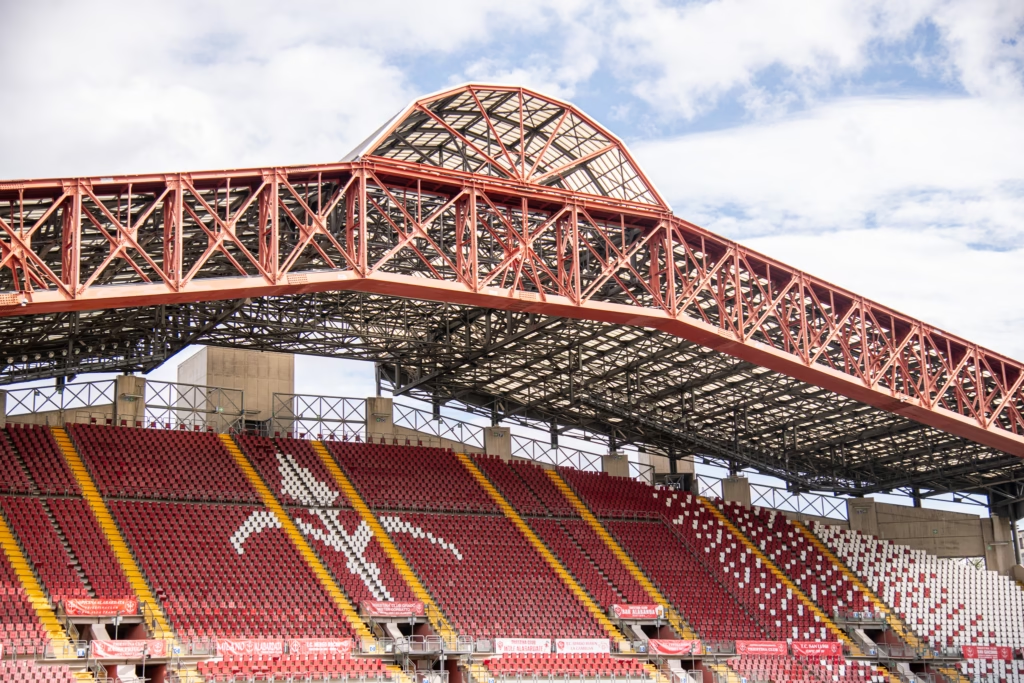
While the rivalry on the pitch drew attention, the real story of Triestina this season lies off the field. The club has faced extraordinary challenges that have defined its opening months, shaping not just its results, but its very survival. Triestina began the season with a 23-point deduction and still stood at minus ten after the twelfth round.
The club’s situation is nothing short of chaotic: at the season’s outset, it was unclear even whether the team would play. Training camp began just about two weeks beforehand, season tickets had not been offered, and there were no social media posts up until the end of October.
On 24 October, however, a glimmer of hope appeared: for the first time in three months, the club posted an update, and the ever-reliable Attilio Tesser returned at the helm, marking his fourth spell coaching Triestina.
In the meantime, the ownership structure also changed, as the club came under the control of the House of Doge, marking the first case of a cryptocurrency-associated group taking over a professional football club in Italy. Although the investors’ background may raise questions about long-term stability, they should be given time to demonstrate their intentions and perhaps even exceed expectations.
On the other hand, Brescia suffered a dramatic collapse in the summer of 2025. The Italian Football Federation denied the club a license for the 2025‑26 season due to significant financial and administrative irregularities, including unpaid contributions and wages, unmet licensing requirements, and other compliance failures.
In response to this collapse, plans were quickly set in motion to ensure the continuity of football in Brescia. A new entity, Union Brescia, was officially presented on 17 July 2025. The club’s creation was made possible by transferring the sports title of Feralpisalò, a Serie C club, to the city of Brescia.
By taking over Feralpisalò’s licence, Union Brescia avoided relegation to Serie D, the fourth tier of Italian football.
While not a traditional merger, this transfer allowed Union Brescia to inherit the sporting rights and infrastructure necessary to compete professionally while establishing a new legal and organisational identity. The structure aims to stabilise football in the city, address past shortcomings, and provide a foundation for sustainable sporting and financial growth.
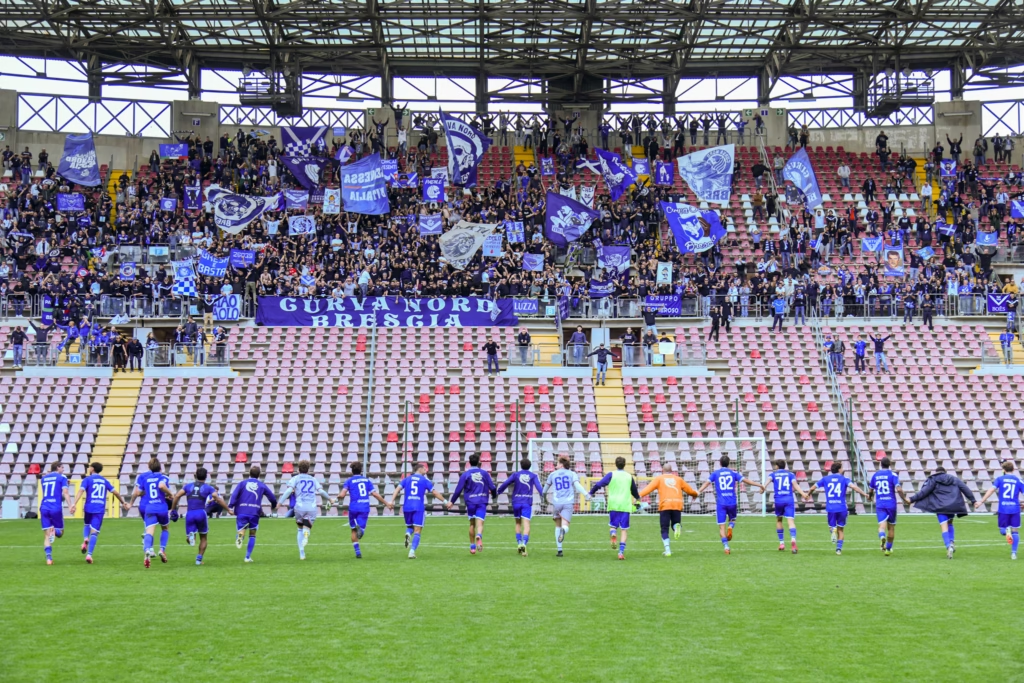
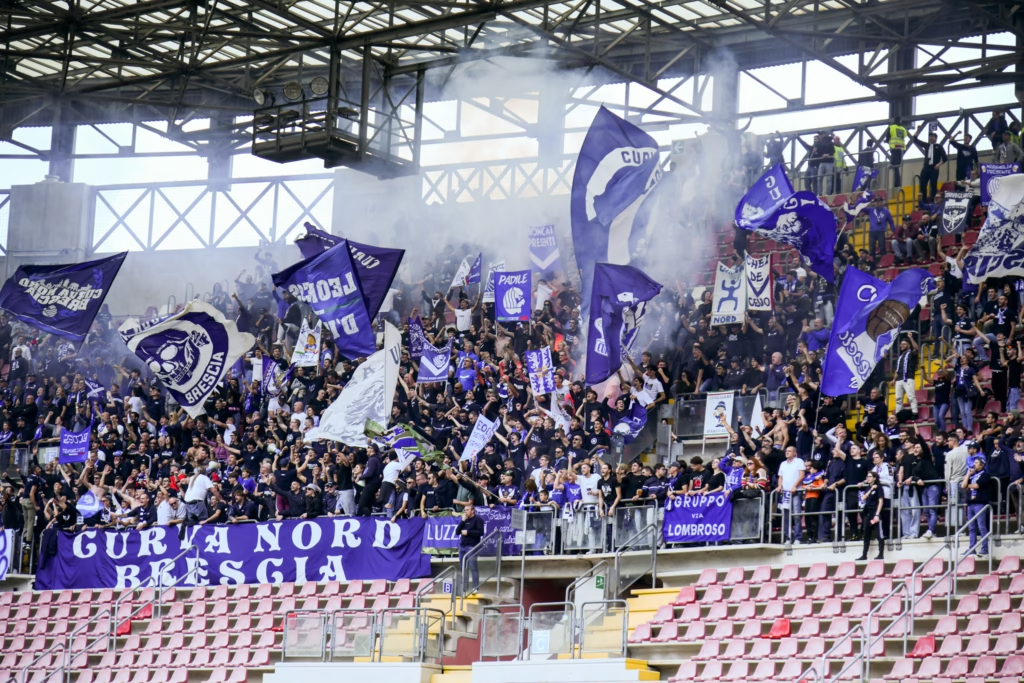
However, this solution has not been universally welcomed. “Ultras Brescia” are backing the new club, whereas “Brescia 1911” continues to hold back, hoping for the emergence of a new and entirely autonomous Brescia side.
Thus, we were looking at a clash between two clubs with very unique stories over the past summer. Brescia won a closely contested match and appears set to challenge Vicenza for the league title this season.
On the league table, however, there is a 37‑point gap between Brescia and Triestina, and this was evident even in the stands. Brescia fans have been exceptionally supportive of the new club structure this season, clearly showing how much it means to them.
Triestina supporters, on the other hand, had recently been boycotting matches — and with good reason. They are now slowly returning to the stands, but it is clear that for them, the season will still be a long and challenging journey.